
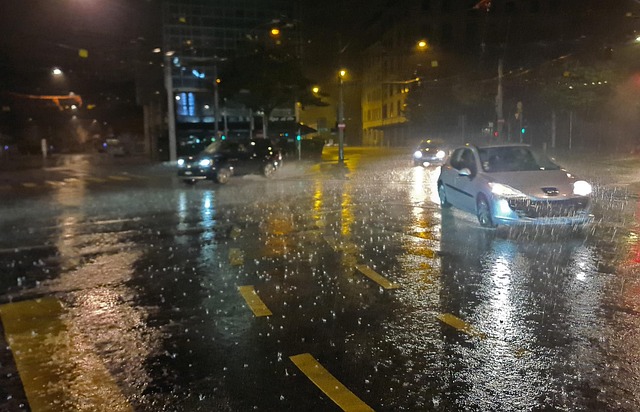
Exposed Aggregate Driveway Adelaide rain has perfect timing.
It doesn’t matter if the driveway has been planned for six weeks, the concrete truck is booked and everyone’s ready to go. Sometimes Adelaide decides it’s going to rain anyway.
After more than twenty years in the trade, we’ve stopped trying to outsmart the weather.
We work with it instead.
One thing we’ve noticed is that homeowners often worry about the rain that’s falling today. Fair enough. What concerns us just as much is the rain that fell three days ago.
Why?
Because the ground remembers.
Around Adelaide, especially on blocks with heavy clay soil, the surface can look dry while the layers underneath are still holding water. If the foundation isn’t prepared properly because the site feels “close enough,” you’re asking the concrete to sit on something that’s still moving around.
That usually catches up with you later.
The funny thing is, rain itself isn’t always the problem.
It’s the timing.
If it starts before we’ve even poured, we’ll usually postpone the job. Nobody enjoys making that phone call, but it’s a lot cheaper than replacing a driveway that never had a chance.
If it arrives while we’re finishing the surface, things get more complicated.
Fresh concrete is at its most vulnerable during those first few hours. Heavy rain can wash away cement paste from the top, leaving the surface weaker and rougher than it should be. Decorative finishes like exposed aggregate become even trickier because every stage relies on careful timing.
You don’t get a second chance with the finish.
Here’s where people get caught out.
They think throwing a tarp over fresh concrete solves everything.
Sometimes it helps.
Sometimes it creates another problem.
If plastic sheeting sits directly on the surface while rainwater pools on top, it can leave marks that stay there long after the weather clears. We’ve learnt that protecting fresh concrete is about more than simply covering it. The way it’s covered matters just as much.
Then there’s Adelaide’s weather itself.
Anyone who’s lived here long enough knows a forecast isn’t always a promise. You can wake up to blue skies, have a shower roll through after lunch and finish the day with sunshine again. That’s why we spend so much time checking radar instead of relying on a forecast made yesterday.
Almost every experienced concreter has become part builder, part meteorologist.
It’s just part of the job.
Most people assume concrete “dries.”
It doesn’t.
Concrete gains strength through a chemical reaction called curing. Water is actually part of that process. That’s why a light shower on concrete that’s already reached the right stage isn’t necessarily disastrous. In some situations, controlled moisture even helps curing continue properly.
The trouble is that heavy rain arriving too early changes the surface before it’s had time to develop.
There’s a big difference.
Another thing we’ve noticed is how quickly rain exposes poor drainage.
You might never notice a slight fall in the wrong direction during summer. Then the first decent winter storm rolls through Adelaide and suddenly water is sitting against the garage, pooling beside the house or refusing to leave the driveway.
Concrete didn’t cause that.
Poor planning did.
That’s why we spend so much time checking levels before the first truck arrives. Once the slab is down, changing the direction water flows isn’t exactly a simple afternoon job.
Trees add another layer to the story.
Big gum trees don’t stop dripping the moment the rain finishes. Water can keep falling from branches for hours afterwards, especially on calm days. We’ve delayed finishing work more than once because the weather overhead looked fine but the trees hadn’t caught up yet.
It’s one of those details most people never think about.
We do because we’ve seen what happens if you ignore it.
The biggest lesson rain has taught us over the years is patience.
Everyone wants the project finished as soon as possible. We understand that. But forcing a pour because the schedule says today is the day rarely ends well if the conditions aren’t right.
Waiting an extra day or two feels frustrating.
Living with a driveway you’re unhappy with for the next twenty years is much worse.
At Pro Concreting Adelaide, we’ve poured concrete through plenty of Adelaide winters, surprise spring storms and summer downpours. Rain isn’t something to fear, and it isn’t something to ignore either.
It’s simply another part of the job.
The trick is knowing when to keep going, when to slow down and when experience tells you it’s better to roll the truck over to another day.